


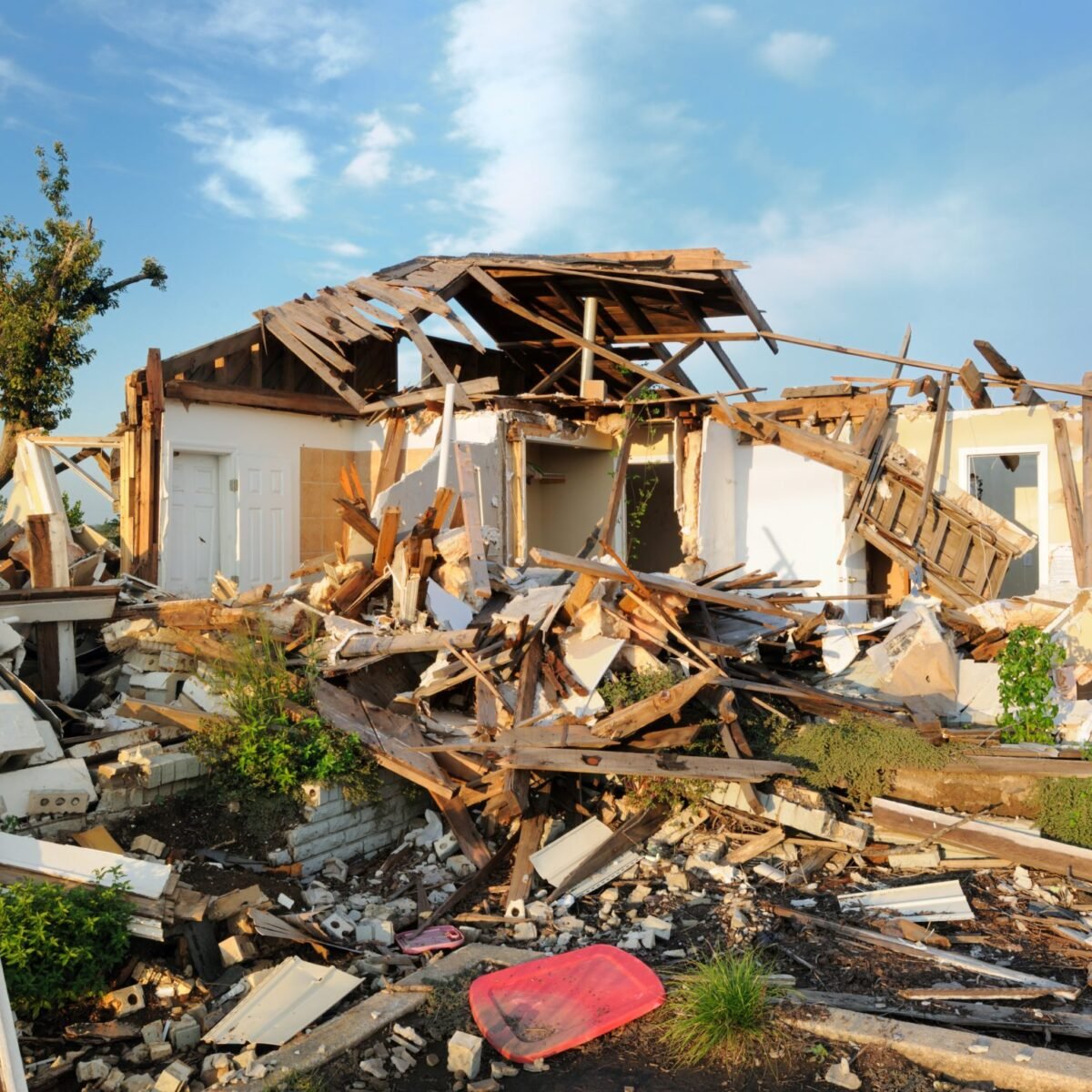
A Michigan woman has been sentenced to six months in federal prison after falsely claiming that her Florida vacation property was her primary residence to obtain emergency assistance following Hurricane Ian.
According to federal prosecutors, the defendant owned several rental properties in Michigan and lived at a lakeside home in Twin Lake. After the hurricane struck Florida in September 2022, she submitted an application to the Federal Emergency Management Agency claiming that her Fort Myers Beach property was her principal residence.
FEMA disaster assistance is designed to help eligible residents recover from damage to their primary homes and pay for urgent needs such as temporary housing and essential living expenses. Based on the false application, the defendant received nearly $50,000 in assistance, including funds intended for rent and emergency expenses.
Investigators found that she was living in Michigan when Hurricane Ian made landfall. Records introduced at trial showed that she spent only part of the year in Florida and used the beach property as a seasonal residence.
The defendant repeatedly contacted FEMA from Michigan to check the status of the application. Prosecutors said she claimed that she missed a Florida housing inspection because she was staying at a second residence after her home had been destroyed. Evidence showed that she was actually at her Michigan home.
When questioned by federal agents, she denied identifying the Florida property as her primary residence and claimed she lived there for more than half the year. Bank, airline and casino records contradicted those statements and helped establish where she was living during the relevant period.
A jury convicted her of major disaster fraud. In addition to the prison term, the sentence holds her accountable for diverting emergency funds intended for residents who were displaced from their primary homes.
The case illustrates the challenges agencies face when assistance must reach disaster survivors quickly. Fraudsters may exploit expedited processes by misrepresenting residency, ownership, occupancy or the extent of their losses.
Cross-checking applications against travel activity, property records, banking data and other residency indicators can help agencies identify contradictions without delaying assistance for legitimate applicants.
Today’s Fraud of the Day is based on reporting from the U.S. Department of Justice regarding a Hurricane Ian disaster fraud sentencing announced in September 2026.
Source link